#19: Exploring Naturopathic Medicine (and Stress Management) with Dr. Marita Schauch
Is stress sabotaging your health more than you realize?
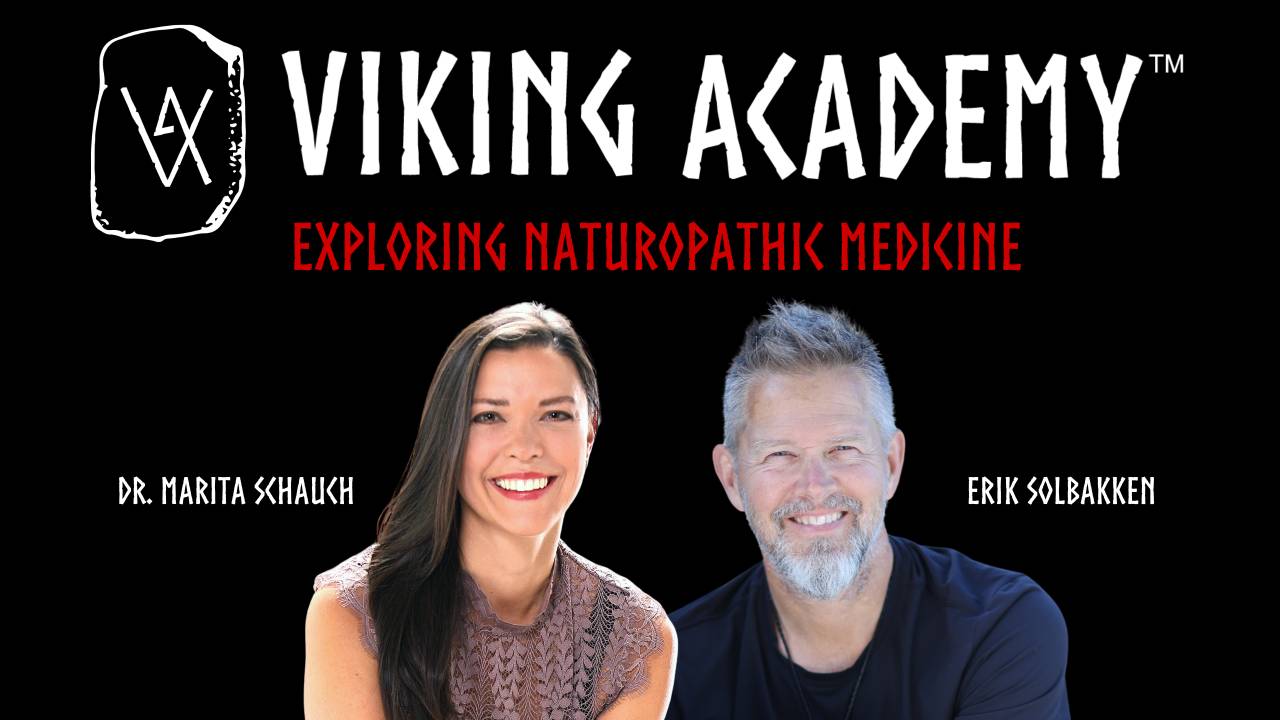
Today, we’re exploring adrenal health, stress resilience, and the power of preventative care with Dr. Marita Schauch — a renowned naturopathic physician, author, and expert in women’s health and hormonal balance. Dr. Marita shares her journey from conventional science to holistic healing and unpacks how chronic stress, modern lifestyles, and overlooked factors like nutrition and mindset are shaping our long-term well-being.
In this energizing and educational conversation, we explore how you can support your body, mind, and hormones by tuning in to your stress patterns, getting tested, and making simple yet impactful changes.
Topics We Explore:
- Sick care vs. true health care
- Understanding adrenal fatigue and how to restore energy naturally
- Nutrition, sleep, adaptogens, and lifestyle changes that support adrenal recovery
- The rise of longevity medicine and proactive health strategies
- How to begin your own adrenal healing journey
Connect with Dr. Marita Schauch: https://www.doctormarita.com/
The Adrenal Stress Connection: https://a.co/d/1dXMTxi
Learn More about The Viking Academy: https://www.vikingacademy.com
Episode Transcript:
Hi everyone and welcome back to the Viking Academy podcast. Today on the podcast we have Dr. Marita Schauch.
Now Dr. Marita is my doctor. She is a naturopathic physician.
So naturopaths never used to be kind of hip and cool but now they have definitely moved more into the mainstream. I like to think of it in terms of our traditional health care system in air quotes is a sick care system. So you go to the medical doctor, it's about fixing something that's sick.
Naturopaths, on the other hand, are all about projecting and getting you healthier into the future. It's always about proactive. And so what we cover off in this episode is we specifically talk and I share openly about the work that she does with me.
And the one area that we ended up going quite deep into is about the adrenals. And I didn't realize how important the adrenal glands are to your overall health and well-being. My adrenals pretty well sucking right now and it's got a result of a couple things that is causing that to happen.
Marita reminds me again what I need to be doing to fix it. And I am very active in a lot of the cases, but I really need to up the game a little bit more in some of the areas for me. Um, and she also talks about her book.
There's a bunch of books that she's written, but the one is uh we're going to have the show notes there and it'll give you some resources inside the Viking Academy as well. So, there you go. If you are interested in improving and exploring your health, this podcast is for you.
So, there we go. Now, let's go explore. Welcome to the podcast.
Thank you. Excited to be here. So, oh yeah, and before we get started here, I also wanted to say full disclosure.
So, if I ask you any personal stuff about me, feel free to just completely uh share that on the podcast here because I want I'm an open book to my listeners. And so, I know there's that client uh patient uh confidentiality we got to worry about. You don't have to worry about that with me on this call.
You're giving like whole verbal verbal. Yeah, I'm giving you full verbal that you you will not get sued by telling people that there's something wrong with me, which they probably already know anyways. So, okay.
So, anyways, the thing that I was I was thinking about before we got on the call here and what I've been thinking leading up to this is like when you first got into naturopathic medicine, it wasn't really the cool kid on the block. like it was like the beginning parts of it and you were like kind of like the outliers and now it feels to me like naturopathic medicine is like fully and more mainstream than it's ever been in the past.
Oh, absolutely. I mean, I think I think you know this about me, but my my path was that I was going to become a medical doctor, right? And so the plan was is that I was going to become go to like UBC med school and then become a pediatrician.
Um and then I kind of just like lost the drive and I didn't know anything about naturopathic medicine at the time. And then there was a big insert in the Globe and Mail. This is probably about 25 years ago.
And it was all about like introducing the whole um profession of naturopathic medicine and um and then this there's school at the time there's this there's still a school in Toronto and it just spoke to me. I was like this is what medicine should be about. It should be about being proactive and preventative and working like as a team with your patient.
And then yeah, I've never looked back since. And then um you know yeah you're right like I mean I've been I'm going into my 20th year of practice 20 years ago it wasn't really that well known and um we had to do a lot more you know I was doing lectures and I was in the health food stores like volunteering and chatting with people and now you're right it's like so um it's so much more mainstream.
Yeah. And and like you're I know you're packed busy. Like there's like there's nothing left in your schedule.
People are like booking out well in advance because whenever I talk to my friends, like oh my god, you got to go see Marita. And they're like, I'm trying to, but she's taking forever to I can't get in to see her. I'm like, I wish I could give them an in say here's here's your hall pass.
You can go in to see her sooner. Um yeah. So it and it's interesting.
So there a couple things a couple paths I want to go down with that. First one is like what was it about the traditional medicine route that can you remember what didn't resonate with you? Like what was it that stopped you from going down there?
I think the big part of it and I mean I have friends that are medical doctors and I'm in no you know I'm not saying that um you know I'm not in support of you know the medical system medical doctors like we've been medical doctors obviously um but I think for me what didn't resonate with with um conventional medicine was sort of like that more reactive approach and you know some you know ER docs or medical doctors like that's that's what resonates with them.
But it just it didn't resonate with me and I didn't know that there was another option out there that you could go into a type of medicine that was preventative and being more proactive with health um and being more like focusing on health optimization, right? um until I discovered naturopathic medicine and I thought, "Oh my goodness, like this is cool." Because couldn't we just combine this with the conventional medical model, right?
Because obviously if somebody needs if somebody has appendicitis, obviously they're not see they're going to go do emerge and get their appendix removed and go on antibiotics. um you know so there are definitely certain um health acute circumstances circumstances where you need conventional medicine and you need to go to the emergency room if you break your arm right you're not going to come and see me yeah it's like it emergency room medical doctor right and then but going to your regular doctor for health care is kind of it's kind of funny like I keep hearing this phrase over and over again is we don't have a health care system.
We have a sick care system. So when you get sick, you go see your doctor. Like I just I literally talked to you about that just before we got on the podcast.
I got a problem with there's some there's some uh nerve problems in my elbow and so I'm going to go see my medical doctor about it. Right. And but it's only when I get sick that I go see him.
I go to see you to get ahead of the curve. It's like the the work that we do together is all about preventative and and forward thinking and uh so it's like you're my health care provider, my doctor's my medical doctor is my sick care provider, right? And it's funny because whenever I do talk to them and I ask them about some proactive, you know, approaches, most doctors, they just kind of look at me and no, no, that that doesn't work or they're just not there.
I hope that's starting to turn around because there's a big there's a huge ground swell of people starting to look at their health and starting to see it being proactive. It's like they're finally catching up to what you saw 20 years ago or 25 years ago actually because that's when you said you you first saw that.
Yeah. Yeah. And I think well I mean here in BC we definitely have a healthc care crisis.
there just aren't enough medical doctors to service the public. And so what we're seeing is is a lot of patients are going online like they're trying to figure it out on their own because they don't have a medical. They can't even get an appointment.
And so there I mean I guess there's a positive there where there are a lot um there is a lot of information online and you know then that allows but I mean there's so much information online that it can become overwhelming for patients too. Um, but at least it's pointing them in the right direction that they're like, "Okay, well, I mean, I do want to maybe look at my blood sugars or get or maybe there's a hormonal imbalance going on.
Oh, you know, there's this group of doctors like naturopathic doctors that I can go and explore with them because they're going to be more proactive and preventative, right?" Yeah. They can't because they don't have a medical doctor and they're not going to go to emergency because it's not an emergency, right? So a lot of like the conditions that people are coming in with are, you know, could be like insomnia or fatigue or anxiety or, you know, these are things that are not, you know, um emergency worthy, I guess you could say, but they're definitely um they def definitely are linked to something underlying going on, right?
some kind of nutrient deficiency or some kind of hormonal imbalance, which is like our like that's our forte, right? Very much your forte. I mean that's that's I mean you've written books on that like and then I've got a couple books here I kind of want to dive into with you a little bit later.
Um but you know so what I'm seeing also and I'm experiencing it personally is the level of stress that's happened especially post pandemic um the stresses and the anx the mental anxiety the physical stress um is taking its toll on everybody really bad and you know you and I have been working actively to combat that plus my natural way of just you know I say I don't do very much for work, but my idea of not working very much is someone's else's idea of running three or four companies at the same time, which is what I do.
So, I you're like I'm constantly coming to you to try and make sure that I can stay on the surfboard. But I see a lot of people stressing out and and you you co-wrote a book um the the adrenal stress connection and I'm very curious on that because we recently just we just tested me again using um and and maybe you can explain it to the listeners as well.
Um and and to me again what that test was that we did. It's the Dutch test to to check my um levels. And again that's about as technical as I get, right?
I trust you to do I trust you to know the the details on this, but what does a dust test check and then we notice that my adrenals are are are not optimized right now. And so we're working on optimizing that. So maybe just tell us about that the the you know the adrenal stress connection, the dust Dutch test, and then what we're kind of what you found in me and what you're looking to do for me.
Yeah. So, um, so just sort of like laying the foundation is we've got, um, our adrenal glands that are like two little glands that sit on top of your kidneys and we call them like they're like your main stress responders. So, you've probably heard of that fight orflight response, right?
When you're, you know, your adrenaline's pumping and you're going into like heart rate's going up and you're feeling obviously like stressed. Well, usually it's that whole system that's like on high alert and the adrenal system is there to help you to be resilient and adapt to the stress response. But what can happen is over long periods of time of chronic stress um and if we're not taking care of ourselves with regards to you know eating the right foods um getting enough sleep, exercising, then that puts a whole other load of stress on the body that that whole system becomes weakened and compromised.
And so instead of helping your body be resilient and adapt to the stress response, um you your body's no longer able to do that. And so you end up with um fatigue or you end up with anxiety or you end up with um not being able to sleep or digestive concerns or chronic inflammation or being sick all the time.
So there's a whole cascade of health um issues that arise from chronic stress. And you've probably heard like stress affects essentially like every part of your body, which it does over time. And so, uh, with testing, um, there's one of your main stress hormones, which is called cortisol.
And we analyze cortisol in that Dutch test that you mentioned. So, the Dutch test is a test that's done through dried urine strips. So, we test um, your hormones through dried urine.
And what we're looking for and and why this is more effective in um urine versus like blood is it tests more at a cellular level. And with cortisol, cortisol changes throughout your day. So we're able to like pinpoint where your cortisol is because you don't want high cortisol at night time because cortisol is like a stress reactive hormone.
Um so naturally cortisol levels in a healthy individual naturally your cortisol level should be lower in the evening so that your melatonin kicks in your sleep hormone and you have like a good restorative sleep. But with some people with chronic stress they can have higher levels in the evening or they're waking up with really low levels of cortisol.
So cortisol ideally you want higher in the morning which makes sense right because you want you want to feel energized in the morning not energized at night. And so what that test allows us to do is to see patterns of your cortisol throughout the day so we can kind of say okay is this person adapting really well?
Do they have a natural really healthy cortisol curve? Is their cortisol higher in the morning and then cut and then tapers off in the evening? That's what you want.
Or are you just like flatlined through the day like you have no lift whatsoever? Or are you backwards where you're waking up super exhausted and then you were like revving up in the in the um in the evening. So it gives us so much more information because then we can kind of say, okay, this is what the patient needs with using, you know, food, exercise, sleep support, herbs, whatnot.
Couple things. Um, the Dutch test I was totally okay with because peeing on a stick is so much easier than getting poked in the arm and getting blood taken. So, like that's that's not a big deal.
And for the people out there, it's really not that difficult. You literally pee on a on a piece of paper and then, you know, you let it dry out and put it into ziplock. Well, you're supposed to you're not supposed to pee on it.
You're supposed to like collect and then dip. Oh, well, you see, maybe I screwed that up then. So, I didn't know it was a collect and dip issue.
Maybe we have to redo it. Um, I just peed on the damn stick and then just dried it out. That's good.
Um, yeah, didn't get on my hands either because I anybody's listening, they're thinking, "Oh, yeah. Well done." Um, so first first thing is that. So, uh, the second thing when you were talking about the adrenals and being that that that uh fight or flight, I would be curious to be able to go back in time and to actually check the Vikings adrenals to see what they were like given that were they were so like battleworn battle warriors, right?
One of the misnomers with the Vikings is that they were constantly fighting and battling all the time, but they weren't. They just went into battle sometimes and then it would they were mostly farmers and fishermen and but be very curious to see what their adrenals looked like or to go back in in time to test the adrenals of different periods in time to see which period of time was the hardest on our actual adrenals.
It would be very curious to go back and do that. But um and then the last piece that I kind of want to cover or that I'm thinking about is is I didn't realize that's what that that test did. It checked it over at night and in the morning.
And that makes sense why the test was like here's in the morning, here's in the evening, and this is how it measures it. So, when it measured mine, can you remember what it said about mine? Was I high at night or low in the morning or or was that just like cuz I know we looked at you looked at it, you went your you're like my adrenals were lower than they were before.
Basically, what it's showing is um and one really cool part of the test is it shows kind of relative like to what's left in the tank. Okay. Which tests like metabolized cortisol and in your case, we didn't have a lot in the tank.
Okay. Right. So, um, and if we compare that to I think we did it like last year or a year and a half ago, um, it's it's relatively like the same if not a little bit lower, right?
with regards to so we call that um I don't know if you've heard of the term adrenal fatigue where you basically fired your adrenals over and over and over and over again and then the adrenal glands kind of go whoa like we can't handle this anymore because you just keep draining that tank over and over and over again.
And so what we're trying to do is obviously with like lifestyle and sleep and supplementation um is try to give your body as much support in your and get those reserves back into a healthy range. Right. So you're saying that like the adrenals not only affect the energy levels that one has which kind of freaks me out a little bit.
Can you imagine if my adrenals were not fatigued and what kind of energy level I would have on a regular B? Like I mean it's a bit scary. It's like when someone meets me and they're like, "Oh my god, you don't drink." I'm like, "Oh no, you don't want to see me drunk." They're like, "Oh, that's right." And cocaine, forget that.
Like I mean I that's just like that's just scary, Erik. You don't want to be around him. There'd be too much energy.
Like because I'm high intensive energy guy as it is. But the fact that that the adrenal showed fatigue, it was like to me that's like holy crap. like what could I actually accomplish if they weren't like that?
Like I mean it it's quite a startling. You probably feel like a lot of people and I don't know if you notice this right now is there's like a sense of like improved clarity. So you just feel more clear, focused, resilient.
Um you know working out you feel like you're hitting your targets easier, right? You're able to lift more. You're recovering quicker.
like all of those things would start improving. You'd like notice it through there because I think yeah, you're right. Like you have like pretty good vibrant energy already, but um it's all the other things that that are linked into healthy adrenals, right?
Okay. Okay. So, so then if if they're listeners out there and they're having kind of the symptoms that we're talking about, can you list kind of the symptoms of adrenal fatigue and then could you go into what are the ways of treating that specifically like generally and then specifically what you you're suggesting to me and then I can check my list and see if I'm actually following what you've told me to do.
Um so the the big ones would be like obviously fatigue um poor stress resilience. So what that means is um things that typically people would feel like they could handle. They're just not able to handle certain stressful situations or they're like ruminating or they're not sleeping or they feel anxious or they'll feel low in times of stress.
um versus like really good stress resiliency is that you know you you have a stressful situation and yeah you're going to feel a little anxious but then it passes right you're able to like recover and adapt to that situation. Um we see a lot of people with like sleep disturbances. When your adrenals are not um performing optimally, you'll see changes in metabolism.
So difficulty losing weight, weight gain. Um and then you start noticing that other hormonal systems get affected. So maybe the thyroid gets affected.
In men, we'll see like testosterone affected. Um, in women who are permenopausal, menopausal or even like premenopausal will see other shifts in hormones like it might start affecting like their cycle in a negative way. Menopausal women, you're starting to see a lot um more intense menopausal symptoms.
So, there's a host of symptoms that can be linked to poor adrenal function. Um, but the big ones is because it definitely affects your nervous system. the big ones is like sleep, mood, energy, like those are the big ones.
Is is that why you co-wrote or co-authored that book on it? Because it seems to me like the adrenals are such an important system in the body like it it like all the things that you say go sideways because your adrenals like it it's a lot. I mean, they're they're the root to a lot of what goes on in the body.
And and I think the other thing we kind of forget about is I mean, we always think about stress as being stress, right? Like you have a stressful job or you're stressed at home with kids and managing just life. Um, but stress can also come from your food, right?
So, if you're putting the wrong foods in your body, like say you're eating processed foods or too much sugar or too much caffeine or too much alcohol, like that's another layer of stress, physical stress on your body. Not to mention, I mean, we could spend a whole other hour talking about this, but like environmental toxins.
So, I you know, I was just at a big conference um last week. I think you knew knew knew about it but um and there was like one of the docs was talking about like microlastics and that's a whole topic in itself but how like microplastics are just everywhere and think about how much stress that's putting on our bodies our liver our kidneys our brain our lymphatic system our hormones right and so I mean that's another layer of stress when we talk about how much the adrenal glands have to deal with and then you talk about hormonal fluctuations, right?
Like uh with women, pregnancy, um you know, we have our cycles every month um and then you hit pmenopause, menopause, there's a another layer of stress that our body has to cope with and adapt. And it's similar with men, like men's hormones change too as they age. Well, that's the one thing that we noticed that that was one of the first things we kind of worked on and we've been we've done a fairly good job and I think the last report you said it was it was doing well was my uh testosterone levels because they were crashed and that was you said directly she you saw it happening with a lot of professional uh men so men in high stress professional positions like accountants, lawyers, financial you know the kind of the we'll call it the white collar crowd um where it was the stress was crushing the testosterone levels and that's kind of what happened with me and then we started treating it with you know I'm not doing any shot like injections or anything like that it's all that's all natural like tribulus um and Ghana ashwagandha ashwagandha are the two that I'm kind of cycling through those two um and it's it's done wonders but the good the positive too is that you're targeting your adrenal system as well like the ashwagandha helps to target the adrenal system and manage regulate and regulate cortisol as well as help support the testosterone.
So, it's good because you're taking kind of like the root like you're you're we're obviously treating the root, right? And then my hope for you is as your, you know, your testosterone is holding that now we can get your adrenal reserves up. Okay.
So there in let's talk about what I should be doing to support my adrenals and and and in in general listing for people and then go feel free to go specifics for me. Yeah. So um a big part of the adrenals are your B vitamins and so like a really good B complex that has adequate amounts of we call them like activated B vitamins.
So they're like most bioavailable and absorbable to the to the body. So like B5, B6, B12 are kind of like your main B's for stress. Um and then we've got like herbal support.
So we've got things like you just mentioned ashwagandha, rodeiola, holy basil, uh siberian gins. So there's these these herbal formulas that um are called adaptogens. So essentially exactly what they're called is they help your body adapt to that stress response and they're all like really I mean over you know long periods of time have been researched to show that they help regulate cortisol.
Um and then also you know watching your caffeine intake is going to be really beneficial. So, if you have exa an exhausted adrenal system, you know, do you think eat drinking a ton of caffeine is going to help that system? No.
It's going to exhaust it even more, right? Because you're just trying to fire energy into an already exhausted system. So, you want to be more supportive.
So, you want to do more like um non-caffeinated teas, herbal teas versus like trying to take all this caffeine or like stimulants, if you know what I mean. I have you I have a question on my my face. You can see this going on.
Like, you would think it would be if caffeine would help give you energy. It's like, you know, Red Bull gives you wings, right? Like you your your adrenals are shot.
You'd think intuitively like having caffeine would actually help you, but you're saying it actually hinders the but it's like using the analogy like you're basically like whipping a dead horse. Do you know what I mean? Like it's just it's like a system is so tanked that doing more of that is not going to revive it.
It's all it's it's almost going to be detrimental. So instead of being like here, just have more caffeine when the system's already overwhelmed and tired, we have to be more supportive to like revive. And caffeine's not going to do that.
It's going to be more um it's going to be too aggressive on the system. Okay, got it. And the interesting thing is like, you know, I have been off caffeine for a long time.
M um but I have noticed that in the last month or so I'm like having the occasional cola z like the the cola zero or whatever the free like no sugar in the cola but it's got caffeine and I'm not used to that but it give me kind of that little bolting wakeup which has helped me especially when I'm crashing after dinner like when after I eat dinner holy crap I'm like just like my face almost hits the table and I'm passing out like after I finish my dinner and so I'm finding that you know I'm having a cola zero once in a Oh, and I'm like, okay, it was kind of helping, but now what you're telling me is that no, it's not a good idea.
Well, and I mean in the evening, like it is normal for you to feel tired or have lower energy in the evening, right? Because that's preparing your body for rest. You don't want to be getting a big jolt of energy right before bed because then you're not going to have a really good restorative sleep.
Yeah, I'm I I I'm I'm You don't agree with Well, no, not that. It's just, you know, I you know, I'm like energy is my drug. Like I love having energy.
I love being engaged with something and it's it's it's the concept like I I jokingly say I have two speeds. And I was like this as a little kid, too. It's like go and stop.
Those were my two speeds. Like literally, my mom said, I would run around, run around, run around like a little three-year-old, just bing, bing, bing, bing, bing, bing, and then all of a sudden she I would literally go bang face down on the carpet and my mom would go, "Time, time it. I've got 10 minutes." She'd have 10 minutes of freedom and then I would just pop up after a little quick, you know, nap and then go again.
Right. So, that's just been my nature to be that way. But more of what you're telling me is like so yeah, let's get into that more like so it sounds like there's there's the natural like the what we're what we're intaking from a health uh from a ingestion perspective.
So what we're eating and so the supplements I'm doing all the supplements. We're not eating processed foods. I wasn't having any caffeine.
Lately I've started to do it. So I got to get rid of that. But then the lifestyle changes, right?
I don't drink alcohol. I don't do drugs anymore, right? like it.
So, I've got that out of the way, but what other like exercise? I hitting the gym like on a like especially in the last couple weeks, it's like six to seven days a week. And you want to make sure like with exercise that you're having a good balance where you're not just doing all weights or all cardio or right like you want to integrate yoga in there, you know?
So, restorative exercise along with um you know, obviously lifting, strength training, and a little cardio. So, it sounds like you're doing that. I I could do a better job because I probably hit the weights more.
I do a little bit of cardio, but I'm not. And this is another reminder like I've had someone on that was a yoga instructor and I've had this yoga thrown at me multiple times that it would probably be a good idea for me to start doing yoga. Yeah.
And it doesn't have to be every day. Even if you integrated like try once a week, right? Right.
And then and then well I was going to say and then just like managing your schedule and all the things that you do. Mar's like laughing at me right now big time because this is a re repeating it's a repeating story that goes over and over again. You're like okay so where are you going now?
Well I'm going to Toronto. Then I'm going to Quebec. Then I'm going to Chicago.
Then I'm going over here and then I'm running this company and doing that company. So I have multiple companies and a lot of travel and you roll your eyes at me every time I tell you. I'm not rolling my eyes.
I just remember we have conversations about well is there anything that can that you can let go of? Yeah, that's that's um that's something I'm going to have to really I've already done it actually. No, come to think of it, I actually have done it.
I've started to cut down on So, there's this thing called I like to think of the 8020 rule, right? The 8020 rule. You get you get 80% of your results from 20% of the the work that you do.
So, honing in and figuring out what that 20% is. And if you could just do that 20%, you'd get maximal results. I'm starting to and I do this on a regular basis and I'll go through my kind of my activity list and I'll go what is what is in the 80% that is not giving me the the the what's in the 80% of stuff that I do that's really could just go away and I could just focus on the 20%.
So I'm I'm I am starting to do that. And I've been honest with the listeners and and and all the members in the Viking Academy, you know, I'm not one of these I'm not one of these gurus that comes out there and said, you know, like my don't stink. I'm perfect here.
Follow my rules. This is what I do. I'm learning this along the way.
Like this is a this is a journey that I'm taking with the listeners and the Viking Academy members is like I'm I'm working through all this as well. So I'm I'm trying it's just this constant improvement and refinement. It's like okay what does this body and this entity known as Erik need right and so and that's where I think like layering in you know the whole philosophy of naturopathic medicine it's very individualized right we're taking each person and yeah maybe I see adrenal fatigue I don't know like 10 15 times a day but every case and how I approach it and how I treat it is going to be completely different Okay.
Right. So, if someone is feeling the symptoms that we just talked about, um what is the what's the easiest way for them to get started on to find out if something's there? Like obviously go to see Marita.
That's what I keep telling everybody, right? If you get in the waiting line, but go see Marita. Is there something else that they can be doing then other than going to like what's that what's the easiest step for the someone to get started on this?
I mean, you could like if the person has um if the person has a medical doctor, there's like some standard labs that can be done. Um or if you do pick up my like adrenal stress connection book, there's like a questionnaire in there where you can kind of rate, okay, like where are my adrenals at are at.
And then there's some really good like lifestyle tips that are in there as well with regards to what we just talked about is I mean I think start with like foundation, right? If you're having too many processed foods or refined sugars, you know, try to look at that. If you're having like five cups of coffee a day, let's maybe like half that.
You know, drink more water. um you know, if you tend to stay up too late and you're going to bed at like midnight, like let's maybe try to get a bedtime around 10, right? So, those all those things can actually go like a really long way, right?
Versus, you know, starting off with taking a whole bunch of supplements. I mean, supplements are called supplements because they're supplemental to, you know, your foundation. And so, um, I always say like start with the foundational pieces first and then add the supplements, right?
And and so we'll I'll make a point of, uh, putting the adrenal stress connection book link in the show notes. And for those in the Viking Academy, they can go into the actual membership site and we'll have I'll um maybe I'll do is I'll take a snapshot of that questionnaire that you have there and I'll put that in there so they can look at that and get themselves started on on checking into uh if they do have adrenal stress, adrenal fatigue, sorry, there's adrenal fatigue.
Um, one of the things that has been really kind of um, on the top of my mind lately is this concept that our perception of reality is completely contingent upon our goals. So whatever we're looking for, we'll see. Whatever we're trying to accomplish, then the eyes will see it and the ears will hear it.
And so I found that coming to you and and and on a regular basis and like we go I come in for IV drips every what's it I think we've upped it now to every couple weeks I think we're starting to up that and I see you on a regular basis. It's kind of one of those things that when it comes to anything in your life if you're if it if you've primed the brain to look for to find your your eyes and your ears will follow what your brain's looking for.
So if I'm constantly looking for ways to improving my health, I will find it. I will just naturally find it. And it's I found that this I had a great conversation with Dr.
Nick Stelios on one of the first few podcasts. He says what we actually see is just such a small piece of reality. There's such a huge overwhelm.
And I think that's where most people get overwhelmed with their health and they don't even know where to get started. And so for me, this is where I just want to simplify things down and go, look, there's three parts to your being. mind, body, spirit.
Now, we're talking body stuff here. But if you prime the mind to just go, let's just do this first step. Are your adrenals fatigued?
Let's get to there. Check those things. And then once you start priming the brain and you do it on a regular basis, you'll start seeing and hearing more things that are going to support you getting healthier.
Yeah, I completely agree. I mean I think I have this conversation a lot and even taking you know the analogy of patients come in like exercise for example and then they'll say I just want to like work out like seven days a week and then they're like okay this is my goal like that they just have sort of these they they put so much pressure on themselves and then I just say well why don't you just start with like maybe walking 20 minutes a day or like not even daily like maybe a couple times a week, right?
Versus like overcommitting. And I think you can kind of utilize that similarly to what you're saying is that you there's so much information and then patients are just like, "Okay, I think I need this greens powder and I need this supplement." And they just start ordering all these supplements and you know, you know, trying too many programs and then they just they don't even know what they're taking, why they're taking them and it just becomes too overwhelming.
So yeah, I agree with you is I think like you know and that's where it comes, you know, us guiding our patients comes in handy because we can kind of filter through all that information and just kind of say okay this is what we're going to do to start with and then like slowly start integrating the others.
I was thinking about your profession and what you do with your patients and what you do with me. You got to almost do they give you psychology training when you're going through naturopathic medicine? Like do they train you how to actually deal with the the mental side?
Because I mean you have to be part psychologist to deal with someone when they're coming in especially. I mean they give us a very very small amount and I think I mean there are times where um there have been cases where obviously I refer out when I feel like it's just not within my scope of practice but I think over the years and with experience yeah you do you just learn those tools.
Yeah. Well, you have to like it's like it I I think about all these um these different uh professions and one of the things that's really missing in a lot of them especially like where I came from which is the you know professional accountant world they do not tell you how and train you how to actually work with people like they don't give you any kind of understanding of where the person's mental space is at and how to have a conversation with them.
Like if you're gonna drop in front of them and tell them they owe $150,000 in taxes, you don't just go, "You ow this much, pay it." Like you gota kind of delicately, you know, have the conversation so they don't get overwhelmed. Like it doesn't crush them, right? But when especially when you're dealing with people's health.
Oh, and this is the part that I wanted to I I wanted to kind of highlight. I find that when I go in to see the my traditional medical doctor, I'm sick and he's got to fix me. I would imagine that most of the people that are coming to see you on aggregate are there because like for myself I seek I come to see you because I want to be proactive with my health.
I want to get better. So I'm there with positive energy going what can I do to improve myself as opposed to coming with a sick energy going I got to fix me. I'm sick.
Like what are you finding between the two types of people coming to see you? Well, it's interesting because I would say I would say we're definitely seeing actually I think it's shifting. So, I think before um there's a lot of patients that are coming in and currently coming in that are sick that have either exhausted the medical system, they're looking for a second or a third opinion or they don't have a medical doctor, so they're just looking for some kind of support, right?
Um, but now I feel like with there just being so much more information online and you know talking about longevity and like health span and being preventative and proactive that we are getting a lot more patients that are coming in like yourself just saying you know I don't have any kind of chronic you know health disease or process going on or condition um but I just want to make sure that I'm doing everything that I can to live the best life that I can, you know, as long as you can, right?
Yeah. Th this longevity um uh I had Dr. Gladden on the podcast and I think he might be just before this one when this one's airs and it's Gladden longevity and he was a cardiologist and then he went into longevity.
longevity is a huge huge right now like you know I don't have to preach the converted here but I just I I was I just loved when going back in history and just for the listeners so they know like Marita used I used to be your accountant I mean that's how we I used to be your accountant back when I had my accounting firm and so we've known each other for a long time and I remember in the beginning like you were it wasn't it wasn't popular and it was more of an outlier thing to go to a naturopath and now It's like not only come full mainstream, it's not only hip and cool.
It's like this is the way of the future I see for medical uh for the health care system is to become a health care system. And that's what I love about what you do is that you're helping me with my health. It's always a proactive.
It's like where are we trying to get to? What's what's next? And how can we optimize that?
Um you know, and I promise I'll I'll I'll do better implementing all the things you tell me to do. I do. Okay.
I do all the supplements. I feel like you do a really really great job. There's just a little tweaking that needs to happen.
Yeah. But that's my personality. If I'm not doing it absolutely 100% perfect, I end up feeling guilty.
So that's just the perfectionist in me. So I feel like I need to do more to support myself. And I think it's interesting.
I think from a paradoxical standpoint, I actually need to do less to get better results. It's And you're giggling and smiling at me again. the way you do.
That's what I need to do is actually do less and I can get more done by doing less. And I think that's that's actually one of the uh I I do a rune reading, my rune um rune cards and the um the actual runes. I do them every morning.
And that was one of the things that came up in my reading this morning on the runes. It's like you actually know how to deal with this. And I and I thought about yeah, I need to do less.
So when you do less, you get more done. So doing less for the health side, I will actually get better. So I need to Yeah, I need to do a little bit less on that.
I It'll be interesting to see when we do the test again. That's what I really want to do. I want to score well on the test.
I'm a bit of a keener that way. And I think you will. I think the the big part of it is awareness, right?
Like you're aware of what you need to do. It's when people come in and they're just like unaware and they're like no I don't need to do that or I don't need to change that or but like you know what you have to do it's just like implementing it which you will you are okay thank you for that.
So with that the listener uh the podcast notes will put a note in there about the adrenal stress connection book. Um for those in the Viking Academy go into the Viking Academy and you'll have I'll have more resources in there. And for any of the other listeners, if you want to join the Viking Academy, it's completely free.
Just go in there and join there. Uh I've now made it free. Uh so you'll have more resources in there, be able to connect with Marita inside there if you're interested in going to see her.
I highly recommend it even though there's a waiting list. Go do it 100%. Marita, any last thoughts before we shut down the podcast?
This was so fun. I told you it would. I've been chasing you since I started the Viking Academy.
Come on, get on the podcast. I know. I finally I finally did it with my schedule.
Excellent. Well, now we got I've given you enough time. Now you can get home and take care of your puppy.
So, thanks. Yeah. All right.
Thanks a lot, Marita. Thank you. Thanks for listening to the Viking Academy podcast.
Make sure to leave us your honest feedback by leaving a review on Apple or Spotify and hit subscribe so you never miss an episode.